How to Find & Organize Meals in Our Recipe Archive
Welcome to Our Recipe Archive! Whether you’re searching for meals by Meal Time, Dish Role, or Cooking Method, this guide will help you navigate recipes efficiently and find exactly what you need.
Meal Time Categories
Organized by when meals are typically eaten, this section helps you plan recipes based on the time of day or occasion.
Please note, meal time categories are subjective—while pancakes are traditionally a breakfast food, many enjoy them for dinner. Our Recipe Archive only applies meal time tags when a dish has a clear, traditional recommendation for being served at breakfast, lunch, dinner, snack, or dessert. Not all recipes have a meal time recommendation, and just because a dish is labeled as ‘lunch’ doesn’t mean it must be served only at lunch.
- Appetizers – While all these will also be in Snacks, these are often chosen to be served before a meal.
- Breakfast – Morning meals, including eggs, cereals, pastries, and breakfast meats.
- Lunch – Midday dishes that are lighter or convenient for quick meals.
- Dinner – Hearty, full meals, often including a main dish and sides.
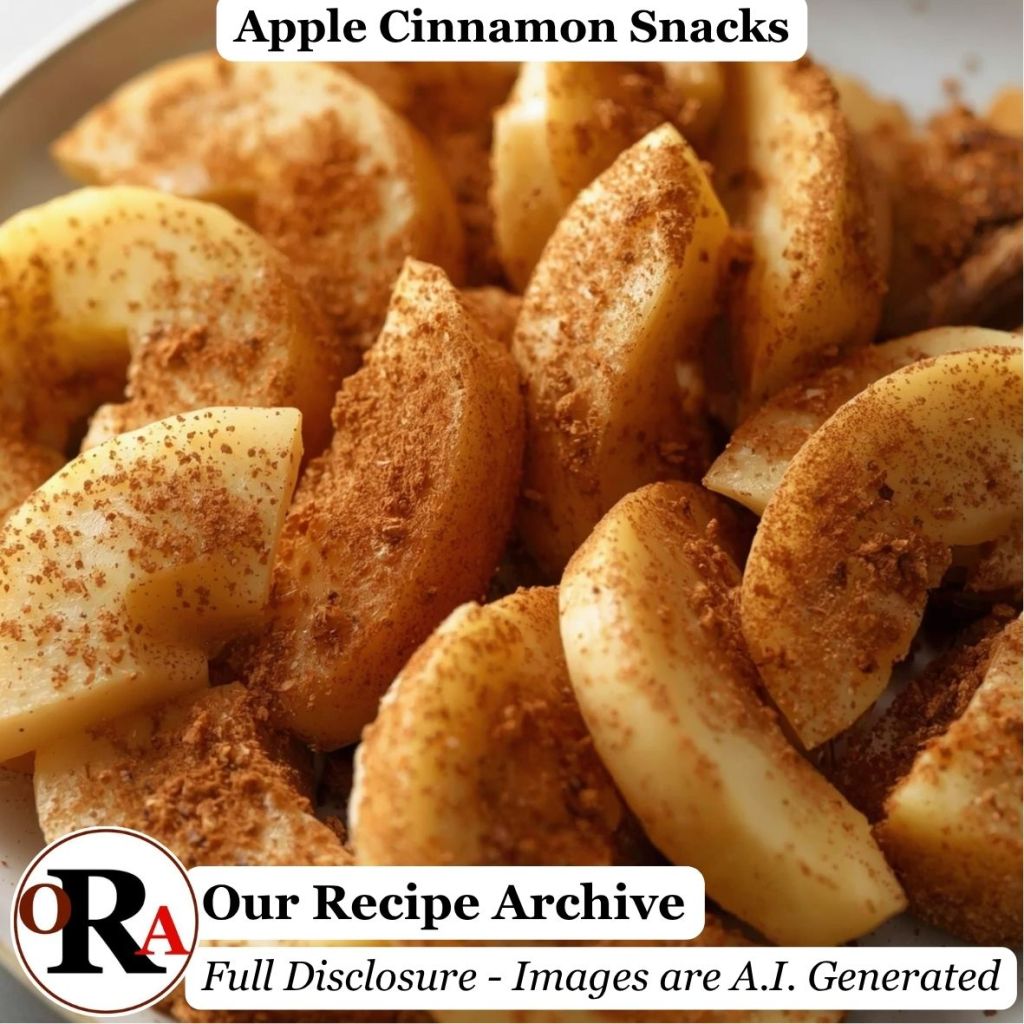
- Snacks – Small bites, energy-packed foods, or quick eats between meals.
- Desserts – Sweet treats, baked goods, puddings, and confections.
- Drinks – Beverages ranging from hot coffees and teas to chilled smoothies, juices, and flavored waters
Dish Categories for Flexible Meal Planning
Instead of rigidly dividing foods into “main” or “side,” we classify recipes based on their primary role and let readers decide how to use them. This approach keeps meal planning intuitive and adaptable while still offering structure.
Core Meal Components
These dishes can serve as the foundation of the meal OR be paired with other components.
- Protein-Based Dish – Meat, seafood, poultry, eggs, beans, tofu, or other plant-based proteins.
- Vegetable-Based Dish – Salads, roasted vegetables, stuffed peppers, or vegetable-forward meals.
- All-In-One Meals – Casseroles, grain bowls, pasta dishes, soups, and stews that contain all meal components.
Meal Enhancements
Additional components can be added to balance the meal.
- Grains & Carbs – Rice, pasta, potatoes, bread, and grain-based elements.
- Additional Vegetables – Cooked or raw vegetables that complement the meal.
- Soups & Stews – Can be a main dish or supporting component, depending on serving style.
- Sweets & Desserts – Cakes, cookies, puddings, and fruit-based treats. – Note this is the exact same category as the Dessert category in “Meal Time”.
- Appetizers & Snacks – Light bites or starters that can be standalone or paired with meals. – Note this is the exact same category as the Snacks category in “Meal Time”.
Baked Goods
Baked goods deserve their own space since they cover a wide variety of recipes.
- Biscuits & Scones – Classic biscuits and scones, including both savory and sweet variations. Note: These can be categorized under Desserts or Snacks in Meal Time.
- Breads – Loaves, dinner rolls, yeast-based breads, cornbread, brioche, and similar baked goods.
- Cake Bakes – Includes layer cakes, pound cakes, cupcakes, specialty cakes, and loaf-style cake breads. Note: These are also categorized under Desserts in Meal Time.
- Cookies & Bars – Drop cookies, cut-out cookies, brownies, blondies, and bar-style treats. Note: These are also categorized under Snacks in Meal Time.
- Flatbreads – Thin, non-loaf breads such as tortillas, naan, pita, lavash, focaccia, and roti.
- Savory Pastries & Pies – Includes meat pies, cheese-filled pastries, vegetable tarts, and other non-dessert baked dishes. Note: These are also often categorized under Lunch, Dinner, or Snacks in Meal Time.
- Sweet Pastries & Pies – Covers fruit pies, custard pies, Danishes, turnovers, and baked desserts. Note: These are also often categorized under Desserts or Snacks in Meal Time.
Cooking Method Categories
Sometimes, the best way to search for recipes is by the cooking method used, especially when planning meals based on available equipment. Cooking Methods organize recipes based on the equipment and techniques used, making it easier to find meals suited to different kitchen setups and preparation styles.
- Air Fryer – Compact convection-style cooking that delivers crispy, golden results with little to no oil. Ideal for fast, small-batch baking, roasting, and reheating.
- Assembled Meals – Recipes that are put together with minimal prep, like sandwiches, wraps, salads, and snack boards.
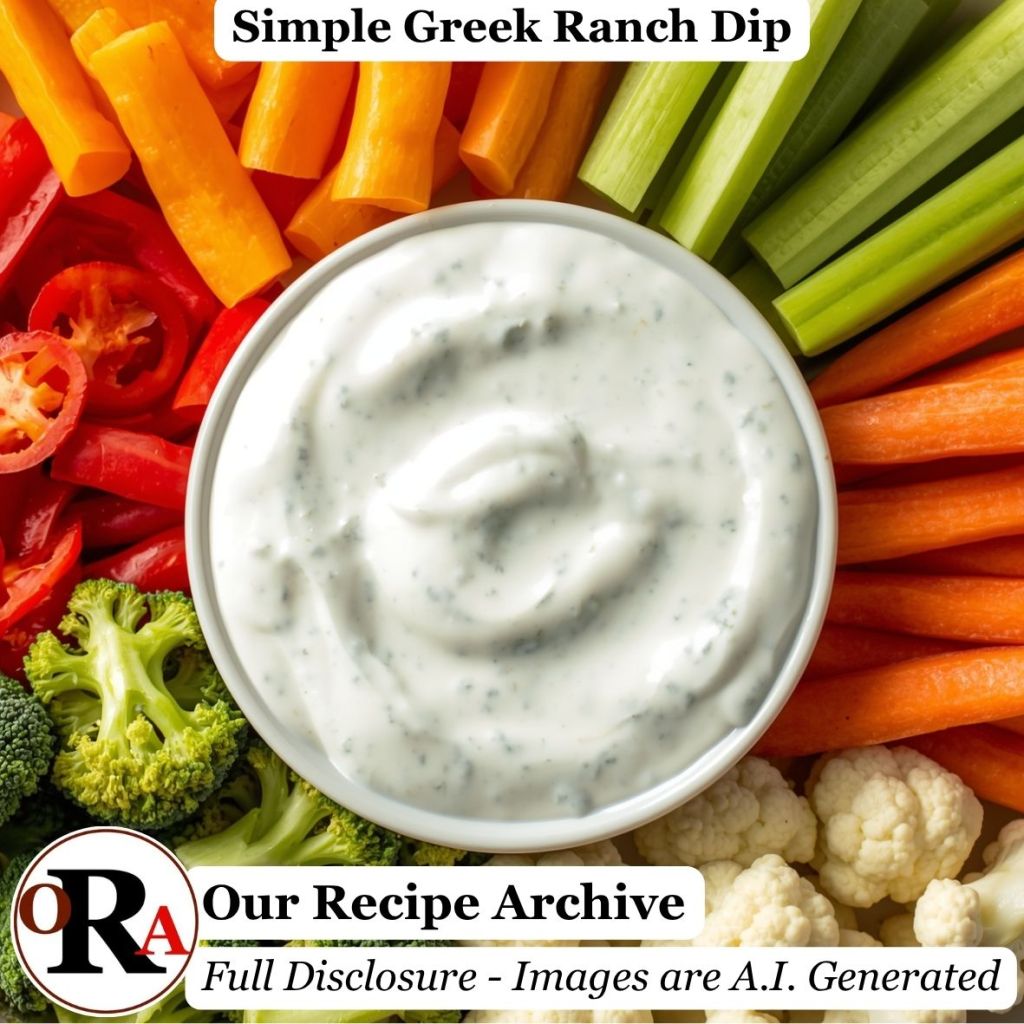
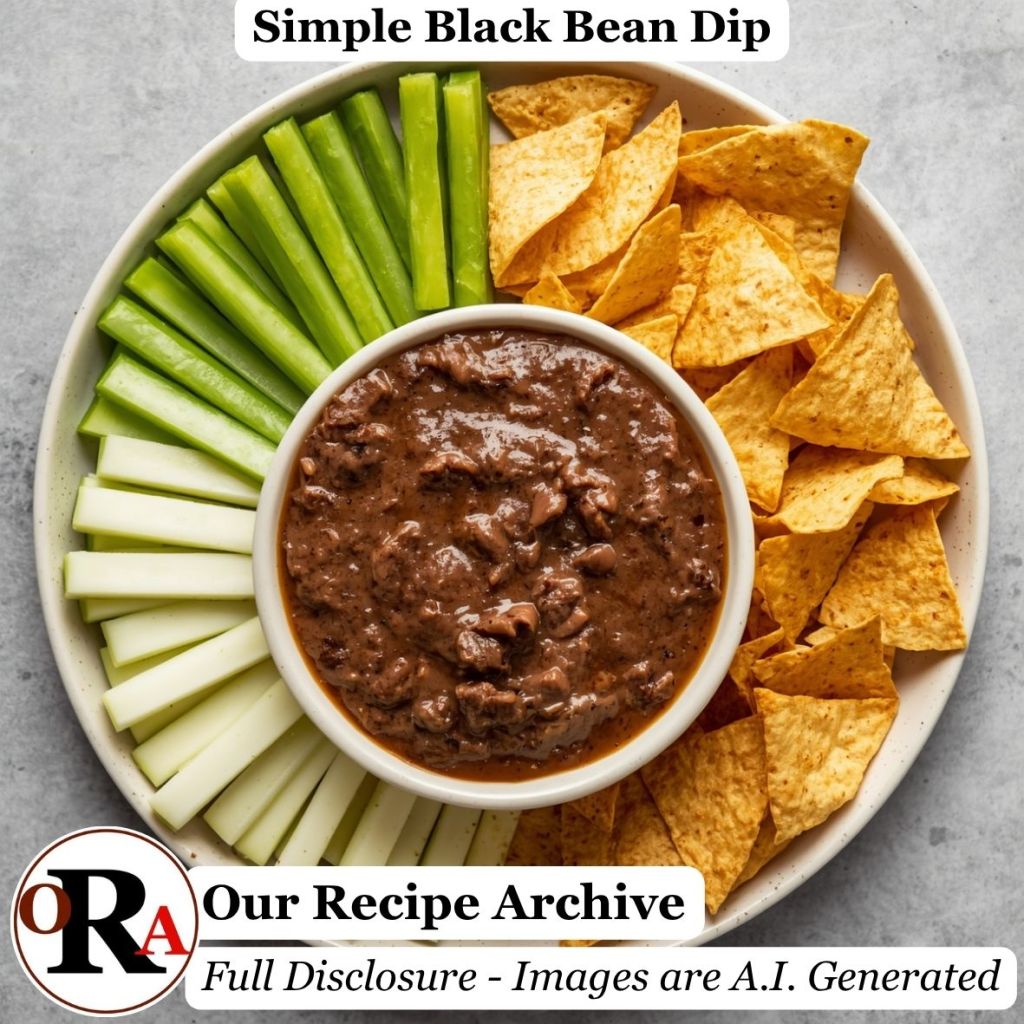
- Blended & Processed – Foods that require a blender or food processor, such as smoothies, protein shakes, dips, nut butters, and energy bites.
- Campfire – Recipes cooked directly over an open flame using sticks, pie irons, or flame-friendly cookware. Designed for direct-fire methods like roasting, toasting, or ember-top baking, not charcoal-based.
- Chilled & Frozen – Recipes that rely on freezing or refrigeration, like instant puddings, popsicles, overnight oats, or no-bake cheesecakes.
- Dutch Oven – Meals using heavy cookware for stovetop or open-fire cooking.
- Grill – Charcoal, gas, or electric grilling techniques, including both indoor and outdoor grill cooking.
- Microwave – Quick-cooking and reheating using microwave-safe dishes and rapid heat technology.
- Oven – Traditional baking and roasting methods.
- Preservation – Drying foods, curing meats, pickling, and long-term storage meals.
- Pressure Cooking – High-speed cooking using a pressure cooker or Instant Pot.
- Slow Cooker – Dishes made with long, low-temperature cooking (Crockpot-style).
- Smoking – A low-and-slow cooking method that uses wood smoke to infuse flavor, tenderize meats, and sometimes preserve food.
- Solar Cooking – Meals prepared using solar ovens or heat-retaining methods.
- Stovetop – Meals prepared using a skillet, saucepan, or boiling.
Special Mention Categories
Substitute – See substitutions for common ingredients.
-COMING SOON
Some dishes are traditionally associated with specific occasions or situations, but that doesn’t mean they must be eaten only at those times. These categories highlight recipes that serve a unique purpose, whether for celebrations or emergency cooking, while still being useful for everyday meals.
- Emergency Meals – Recipes designed for survival situations, including meals that rely on rations, long-term storage, or emergency cooking methods (such as when cooking is limited to shelf-stable ingredients or fresh garden produce during a power outage).
- Special Occasion Meals – Holiday dishes, celebratory meals, and festive recipes that may be enjoyed year-round. This category will expand over time to include specific subcategories for traditional holidays and events (such as a section for Ramadan meals, seasonal feasts, or cultural celebrations).
These categories exist to help readers find recipes suited for special circumstances while keeping meal planning flexible.
How to Use This Guide
In Our Recipe Archive, each dish is tagged by its Meal Time, Dish Role, and Cooking Method. This allows you to search for recipes based on what you need—whether it’s a main dish for dinner, a side dish for a pot roast, or meals that can be made without electricity.
For easy browsing, use the tags listed on each recipe or refer to the categories above when planning meals.
–
Click Here -> To see information References:
- This article draws solely on the author’s firsthand experience and does not incorporate outside sources.
–